The need to privacy and anonymity has never been higher. What should be a God given human right is now an expensive privilege for the elites while the rest of us are being tracked every step of the way. Our data belongs to private corporation who in turn sell it willingly give it away to governments for purposes of surveillance. We are being brainwashed that KYC and Anti-money laundering policies are somehow designed to keep us safe. In reality they are oppressive mechanisms that on one hand curtail some of the bad guy activity but on the other hand penalize 100% of the good guy activity.
In the eyes of the government WE ARE ALL CRIMINALS. And if you think its innocent until PROVEN guilty.
NOT ANYMORE!
So if you think:
“I’m just a law abiding construction worker, I have nothing to hide.”
Here are just some of the ways you are no longer FREE:
- You can’t wire money internationally to your buddy without a hold being placed on your account
- You can’t wire money domestically until you physically show up in you local branch to verify that it is in fact YOU who started the wire.
- If you are dealing in cash and you want to deposit it to your account you maybe asked to prove origination of funds with signed contracts, etc
I mean as long as we are at it why not ask for a DNA swab and a stool sample?
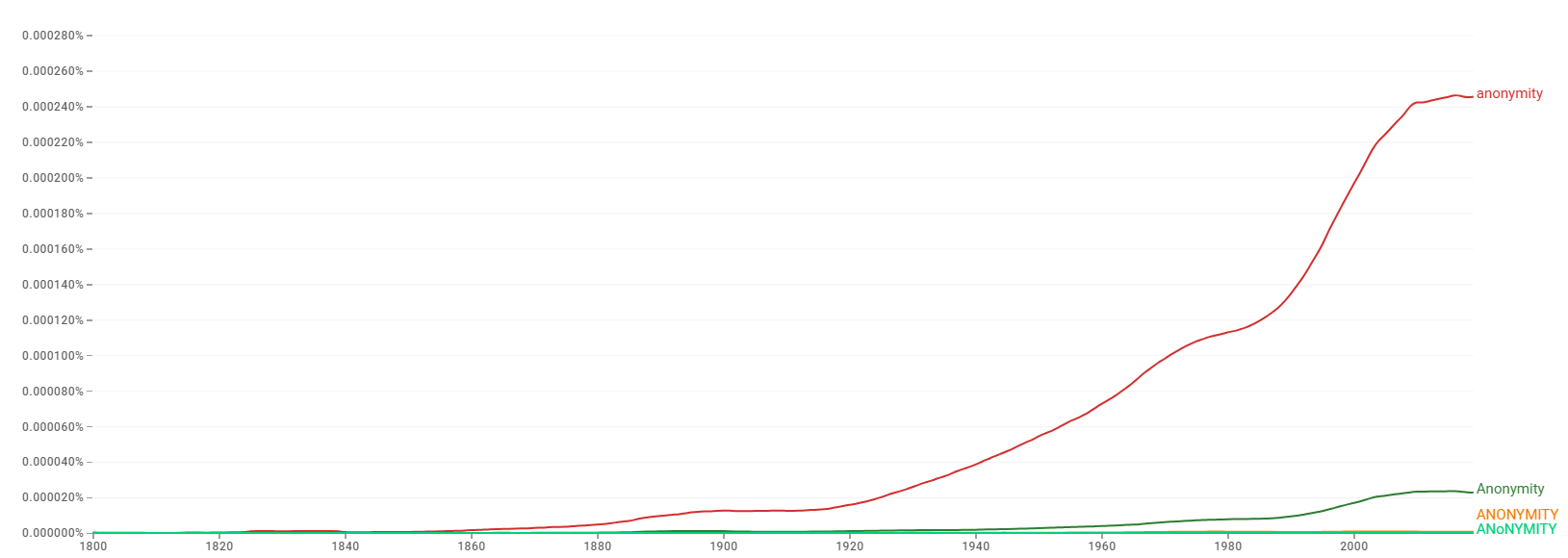
Anonymity is the state of being unidentifiable, untraceable, or unknown, allowing individuals to act, speak, or share data without their identity being linked to their actions. It enhances privacy and safety, allowing for protected speech and sensitive disclosures, but can also enable harmful behavior, reduced empathy, and misuse.
Privacy the state or condition of being free from being observed or disturbed by other people.
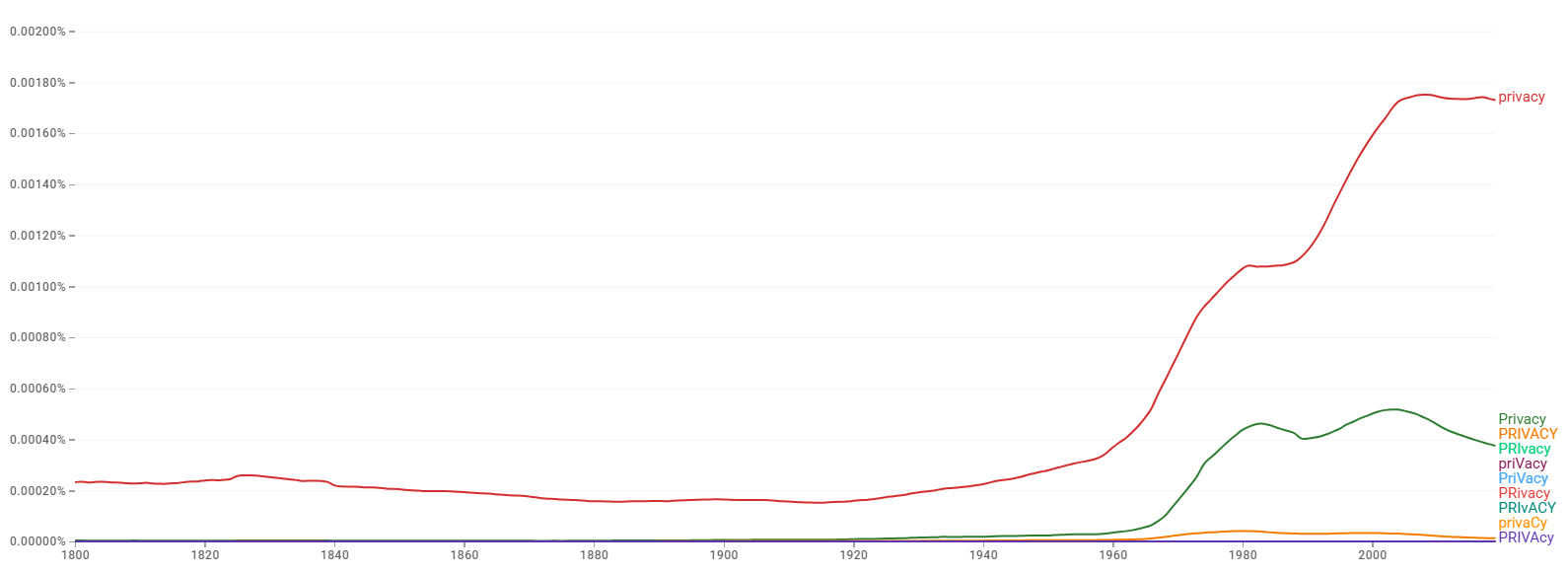
In a nutshell anonymity is when no one knows anything about you, while privacy is partial sharing of your information.
So how to stay private or even anonymous in the 21st century? In this guide we’ll cover some of the basic principles.
Privacy/Anonymity Principles
- Privacy/Anonymity is Costly
This privilege is NOT free and you will pay for it. Expect to pay up to 30% premium on any privacy/anonymity service. At the end of the day someone is taking a risk by exposing their information. If its not you who is taking the risk then its the company/service you are paying for.
- Cash is King
Cash is one of the greatest inventions of human civilization. And despite all digital banks, ecommerce business, and payment gateways you can still do A LOT using cash. Ultimately, if you are optimizing for privacy/anonymity it is an absolute necessity that with CASH
- VISA Gift cards
When cash isn’t an option (like online purchases), Non-Reloadable VISA/Mastercard Gift Cards are your best friend.
- The Tactic: Buy these at grocery stores or pharmacies using cash.
- The Benefit: These cards are not tied to your name or credit profile. They provide a “synthetic identity” for one-off digital transactions, preventing merchants from building a data profile on your spending habits.
Remember that as of April 2026 if you are planning to load more than $190 on the Visa Gift Card, they will ask for you ID. so make sure load LESS than $190.
4. Digital Noise & Obfuscation
If you can’t be invisible, be “loud.” Use tools that mask your digital footprint:
-
VPNs & Tor: Encrypt your traffic so your ISP (and by extension, the government) can’t see your destination.
-
Encrypted Messaging: Move all communication to Signal or Session. If it’s not end-to-end encrypted, it’s a public record.
Conclusion: The Cost of Doing Nothing
Staying private in the 21st century isn’t about being a “bad guy.” It’s about maintaining the boundary between the individual and the state. If we continue to trade our data for convenience, we aren’t just losing our privacy—we are losing our agency.
Freedom isn’t free. It’s paid for in cash, 30% premiums, and the refusal to comply with a system that views you as a permanent suspect.